

1. Overview
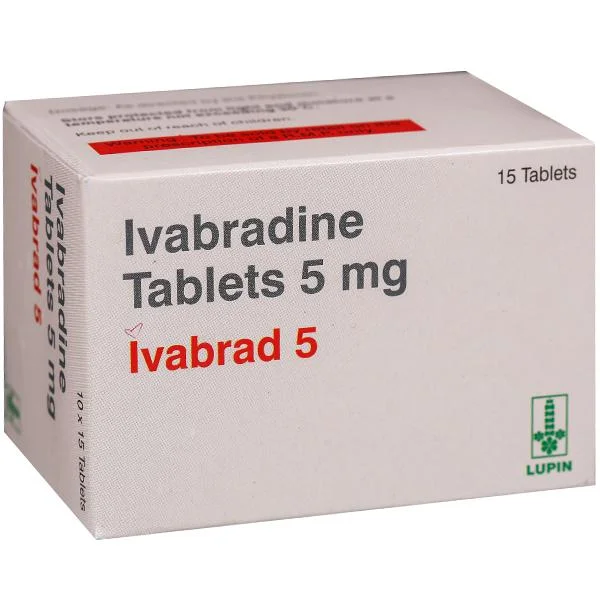
This medicine is used to help control heart rate in certain heart conditions. It is commonly prescribed for people whose hearts beat faster than normal, helping reduce strain on the heart and improve overall heart function.
2. How It Works
It works by acting on the heart’s natural pacemaker to slow the heart rate. By reducing how fast the heart beats, it allows the heart to pump blood more efficiently and with less effort.
3. Common Uses
- Management of chronic heart failure (as advised by a doctor)
- Control of high resting heart rate
- Support in stable angina (heart-related chest pain)
- Improving exercise tolerance in heart conditions
4. Key Benefits
- Lowers heart rate without affecting blood pressure
- Reduces workload on the heart
- Improves heart efficiency
- Helps improve daily activity capacity
5. Safety & Precautions
- Use only under medical supervision
- Take exactly as prescribed; do not change the dose on your own
- Inform your doctor about other heart medicines or health conditions
- Not suitable for sudden or irregular heart rhythm problems
- Store in a cool, dry place away from children
6. Scientific Literature (External Links)
- Ivabradine and heart rate regulation: https://pubmed.ncbi.nlm.nih.gov/?term=ivabradine+heart+rate
- Ivabradine in chronic heart failure management: https://www.ncbi.nlm.nih.gov/pmc/?term=ivabradine+heart+failure
- Safety and clinical benefits of ivabradine: https://pubmed.ncbi.nlm.nih.gov/?term=ivabradine+safety
These details are compiled from publicly available scientific sources. MYMEDS.MD is not liable for clinical interpretation. Please consult a licensed medical practitioner for personalised guidance.